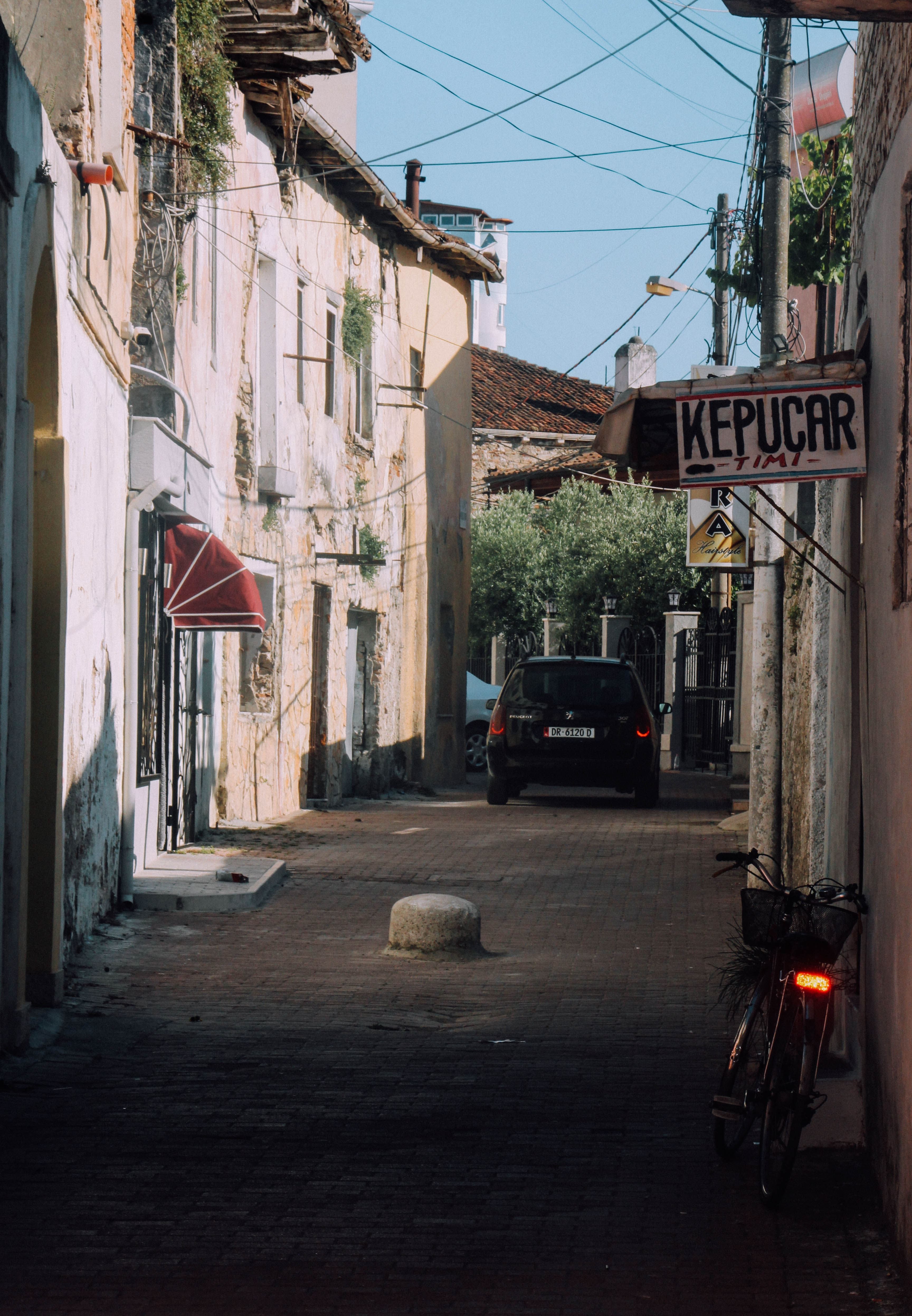
THE PRACTICAL PART.
Moving here sounds complicated until somebody tells you the order to do it in. The internet takes one day and the equipment costs you nothing. The bills are paid at the post office with no commission. Below is the short version.
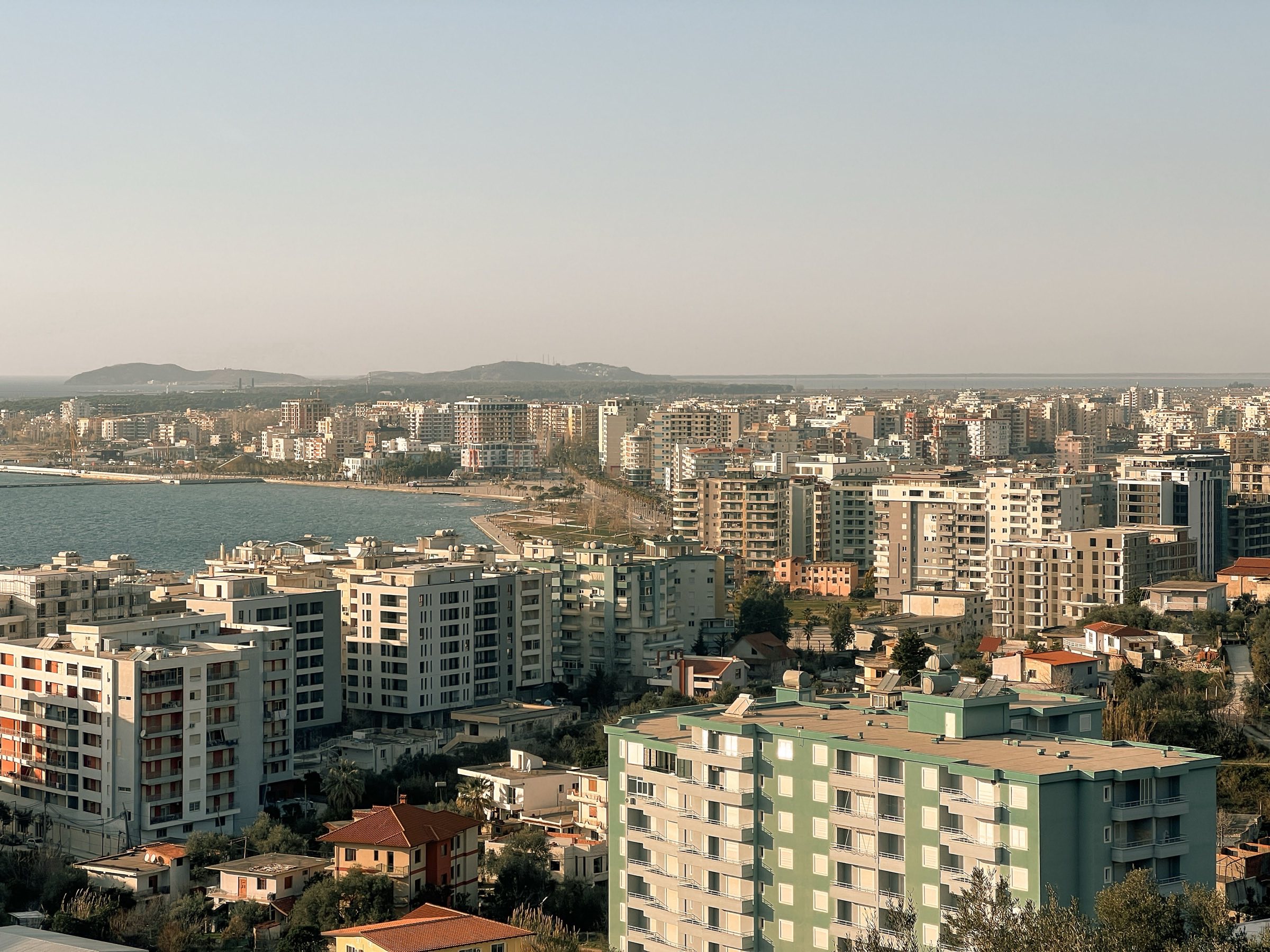
DURRËS.
A pin is a promise, and I do not hand them out.
Durrës is a working city, and most visitors drive straight through it on their way to the beaches in the south. There are hundreds of restaurants and cafés here, and I am not going to hand you forty of them. Below are the ones I go back to, and then the few things you need on the first day.
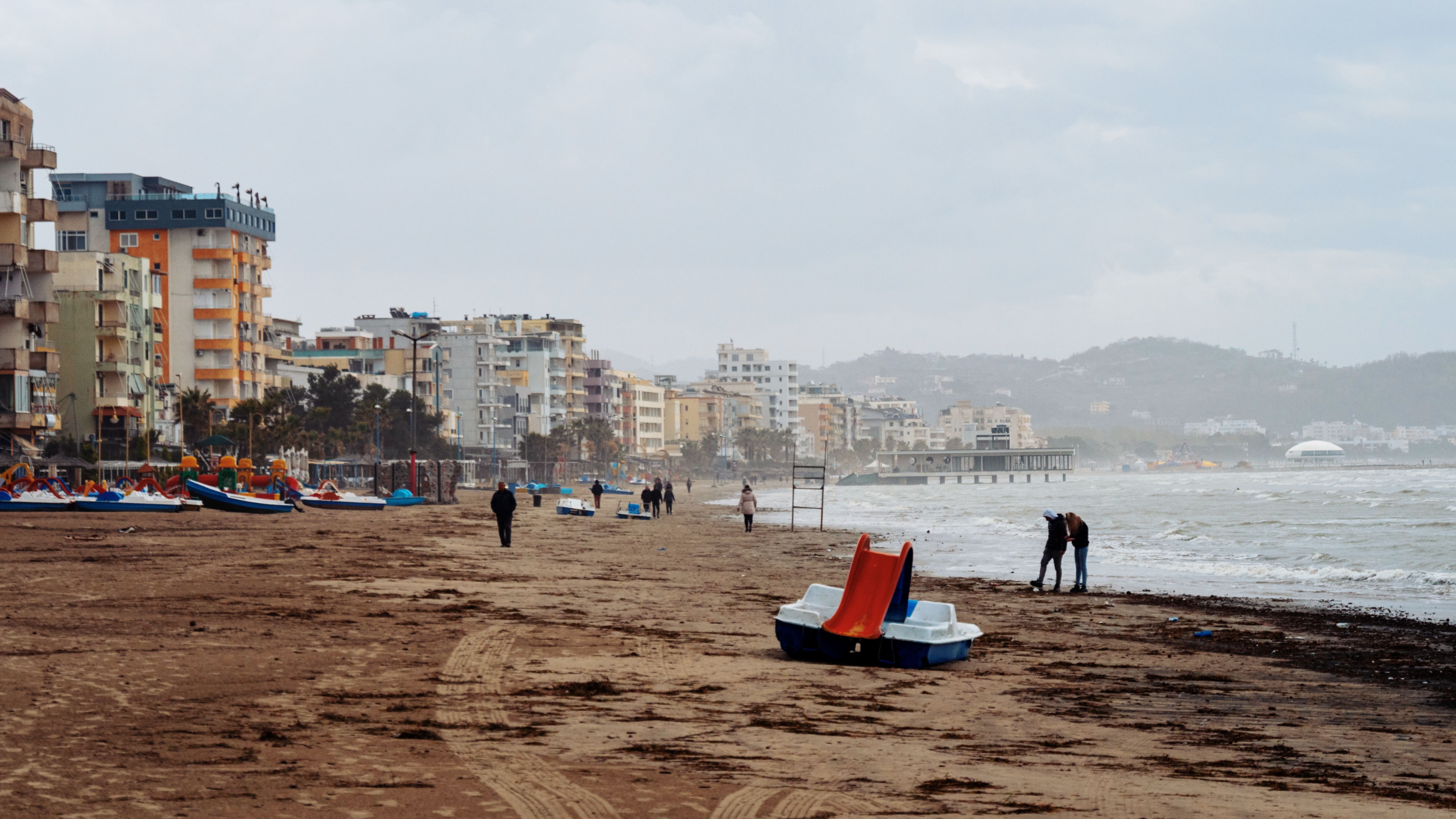
THE QUESTIONS EVERYONE ASKS.
Is Albania safe?
Yes, and the question says more about the internet than it does about Albania. Petty theft is rare and violent crime against visitors is rarer still. What will actually hurt you is the driving, so take that part seriously.
What should I eat in Albania?
Byrek in the morning, and buy it from a bakery rather than a restaurant, because the bakery makes it and the restaurant reheats it. Tavë kosi if you eat lamb, and fli if you are lucky enough to find it. On the coast, order fish by weight and ask what it costs before it goes on the grill.
What currency does Albania use?
The lek. Tourist places will happily take your euros at a rate that insults you, so change your money at an exchange office and never at a hotel.
Is Albania cheap?
Yes. A coffee is 1 or 2 euros, and dinner for two runs 15 to 30. If you are staying longer, a one bedroom flat in Durrës is about 500 euros a month.
Where is Albania?
On the Adriatic and Ionian coast, directly across the water from Italy. Corfu is a short ferry ride from the south, and most of Europe is inside a 2 hour flight.
Do they speak English?
In the cities, and with anyone young, yes. Italian is widely understood along the coast, which tends to surprise people who arrived expecting to be stranded.